Stone Patterns: A Brutal Set of Design Trends Redefining Creativity
In the ever-evolving world of design and visual communication, certain patterns emerge as powerful tools that not only enhance aesthetics but also convey deeper meanings. Among these, Stone Patterns have gained significant traction, particularly with their brutal set of cracked stone designs. These patterns, available in a range of color options, offer a fresh perspective on how texture and tone can influence mood, style, and functionality across various industries.
Understanding Stone Patterns
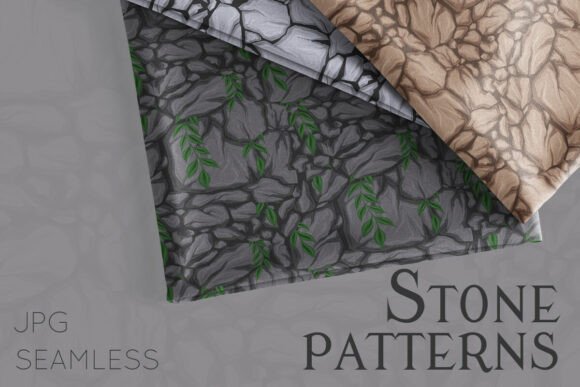
Stone Patterns refer to digital or physical textures that mimic the look and feel of natural stone. They are often used in graphic design, fashion, interior decoration, and even packaging. The brutal set of patterns, characterized by their rugged, broken, and weathered appearance, brings a raw and unpolished aesthetic that resonates with contemporary design sensibilities.
These patterns are not just about visual appeal; they are designed to evoke emotions and tell stories. Each variation—whether it's white marble, dry earth, stone, or stone with plants—offers a unique mood that can be tailored to specific creative needs. This versatility makes Stone Patterns a valuable asset for professionals in multiple fields.
The Broader Impact of Stone Patterns
The rise of Stone Patterns aligns with several broader trends shaping today’s creative and business landscapes. In the realm of design, there is a growing preference for authenticity and imperfection. Consumers are increasingly drawn to elements that reflect real-world textures and materials, rather than overly polished or artificial visuals. This shift has made Stone Patterns more relevant than ever.
In the fashion industry, for instance, designers are experimenting with textures that add depth and character to garments. White marble patterns, for example, have been used in women’s dresses to create an elegant yet modern look. Similarly, dry earth tones are being incorporated into men’s clothing to convey a sense of ruggedness and strength.
For accessories and wrapping paper, the use of stone patterns adds a touch of sophistication and uniqueness. These elements are no longer just functional; they have become statements of style and identity. The same applies to wallpaper, where stone with plant motifs can transform a space into a vibrant and living environment.
Why Stone Patterns Are Gaining Attention
One of the key reasons Stone Patterns are capturing attention is their ability to adapt to different contexts. Whether it's for a high-end fashion brand, a minimalist interior, or a bold marketing campaign, these patterns can be customized to fit the desired aesthetic. This flexibility makes them appealing to a wide range of professionals, from entrepreneurs to freelancers and marketers.
Moreover, the demand for sustainable and eco-friendly design solutions has also contributed to the popularity of Stone Patterns. Many of these designs are inspired by natural elements, which aligns with the growing consumer interest in environmentally conscious products. By using stone-inspired textures, creators can subtly communicate a commitment to sustainability without sacrificing style.
Another factor driving the interest in Stone Patterns is the changing expectations of consumers. Today’s audiences are more discerning and seek experiences that are both visually engaging and meaningful. Stone patterns, with their rich textures and emotional resonance, provide exactly that. They allow brands to connect with their audience on a deeper level, creating a sense of authenticity and craftsmanship.
Practical Applications and Observations
The practical applications of Stone Patterns are vast and varied. In the digital space, they are often used in web design, branding, and social media content to add depth and visual interest. For example, a website featuring a stone background can create a sense of stability and timelessness, which is particularly effective for businesses that want to project reliability and tradition.
In print media, stone patterns are used in brochures, magazines, and packaging to enhance the overall look and feel of the material. The choice of color—whether it's a soft white marble or a deep, earthy tone—can significantly impact the perception of the product or message being conveyed. This makes Stone Patterns a powerful tool for marketers looking to stand out in a crowded market.
For interior designers, stone patterns offer a way to bring natural elements into modern spaces. Whether it's through wall coverings, furniture, or decorative accents, these patterns can add warmth and character to any room. The inclusion of plant motifs in some variations also allows for a seamless blend of nature and design, creating a harmonious and inviting atmosphere.
Connecting to Larger Developments
The popularity of Stone Patterns reflects a larger movement towards tactile and sensory experiences in design. As technology continues to advance, there is a growing need for physical and visual elements that ground users in the real world. Stone patterns, with their emphasis on texture and realism, help bridge the gap between digital and physical environments.
Additionally, the trend towards personalized and bespoke design has further fueled the demand for Stone Patterns. Consumers are no longer satisfied with one-size-fits-all solutions; they want designs that reflect their individuality and values. Stone patterns, with their diverse color options and customizable features, provide a perfect platform for this kind of personalization.
As we look to the future, it's clear that Stone Patterns will continue to play a significant role in shaping the creative and commercial landscape. Their ability to adapt to different needs, preferences, and technologies ensures their relevance in an ever-changing market. For professionals in various fields, embracing these patterns can open up new opportunities for innovation, expression, and connection.